
 Spanish
 English
Talking about drug use among young people does not simply mean talking about statistics. It also means talking about...
Search in blog
Latest posts
Young People and Drugs in Europe: When Curiosity Meets the Internet
Read more

São Paulo Becomes the Green Capital of August and Europe Has Plenty to Discover
Read more
Every year, certain cities become the center of attention for an entire community. In August, that city is São Paulo....

Originality that protects the essential and tells a story in every seed.
Read more
In a market where every detail matters, the difference doesn't always lie in the obvious. In the world of...

10 years of BSF Seeds: not counted, cultivated
Read more
A story driven by passion and built to grow After years of developing some of the biggest, strongest, and most stable...

March 8: European women who advanced medicinal cannabis science
Read more
March 8 is often seen through a single lens. Here, we choose another: science, curiosity and the ideas that reshaped...
Featured posts
Young People and Drugs in Europe: When Curiosity Meets the Internet
Talking about drug use among young people does not simply mean talking about statistics. It also means talking about...
Read more
São Paulo Becomes the Green Capital of August and Europe Has Plenty to Discover
Every year, certain cities become the center of attention for an entire community. In August, that city is São Paulo....
Read more
Originality that protects the essential and tells a story in every seed.
In a market where every detail matters, the difference doesn't always lie in the obvious. In the world of...
Read more
10 years of BSF Seeds: not counted, cultivated
A story driven by passion and built to grow
After years of developing some of the biggest, strongest, and most stable...
Read more
March 8: European women who advanced medicinal cannabis science
March 8 is often seen through a single lens. Here, we choose another: science, curiosity and the ideas that reshaped...
Read more
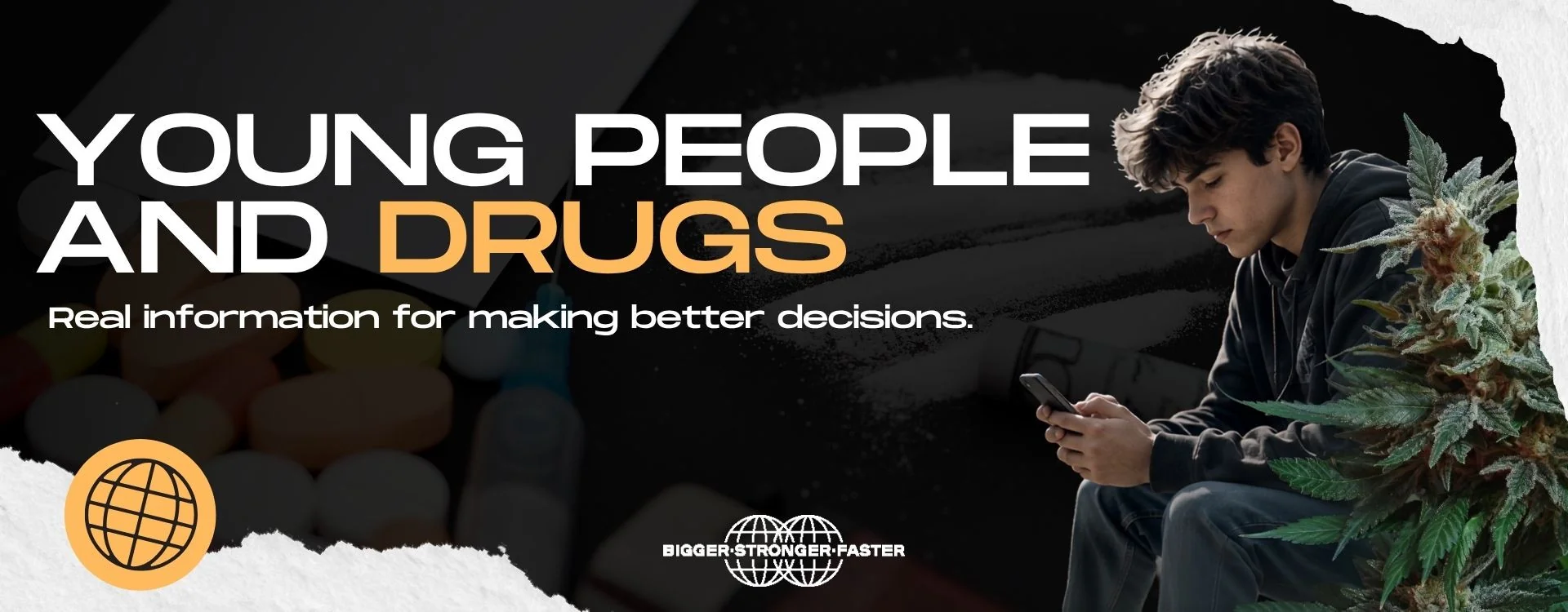
Young People and Drugs in Europe: When Curiosity Meets the Internet
Talking about drug use among young people does not simply mean talking about statistics. It also means talking about curiosity, peer pressure, mental health, social media, availability, and the enormous amount of information a teenager can find online within seconds.
The latest European data reveal a reality that deserves a balanced perspective. According to the EUDA, cannabis remains the most widely used illicit drug in Europe. Among young people aged 15 to 24, an estimated 18% used cannabis during the past year and 9.6% during the past month.
But there is another important fact: drug use among adolescents is not generally increasing. The 2024 ESPAD study, conducted among more than 113,000 students aged 15 and 16 across 37 European countries, shows that lifetime cannabis use has declined compared with previous decades.
So, where is the challenge?
In the fact that lower consumption does not mean an absence of risks.
Cannabis and Young People: A Conversation That Needs More Information and Fewer Prejudices
When a teenager hears about cannabis, they probably do not encounter it through a scientific report. They find it on social media, in videos, memes, conversations with friends, or Google searches.
And this is where a fundamental difference between information and perception emerges.
Terms such as high-THC, genetics, potency, strains, or even terms related to autoflowering seeds Europe may appear online within commercial or educational content without necessarily explaining what consuming a psychoactive substance during adolescence actually means.
The problem is not that information exists.
The problem arises when information removes the risks and presents a psychoactive substance as completely harmless.
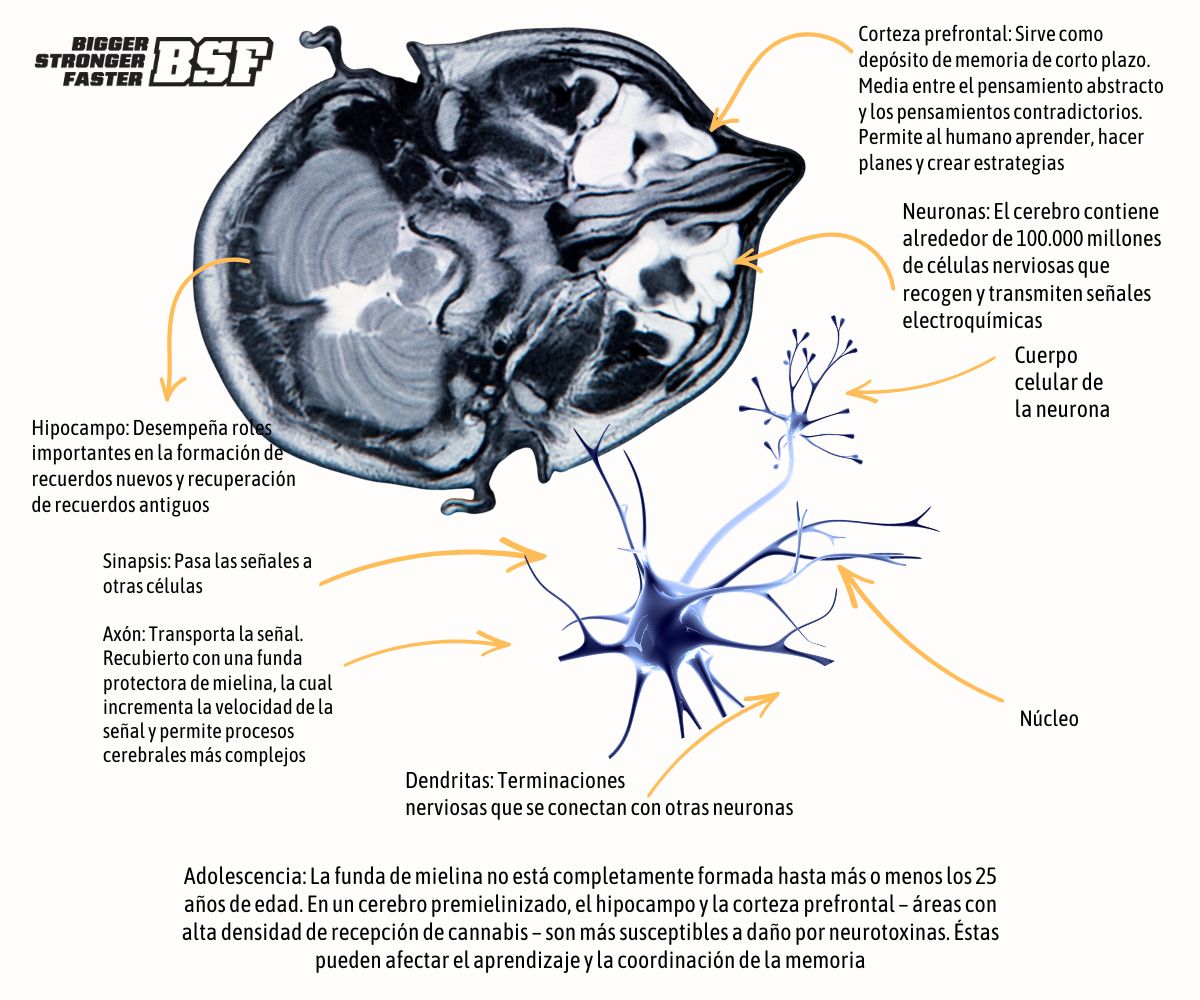
The Adolescent Brain Is Still Developing
Adolescence is a particularly important stage for prevention because the brain is still developing.
For this reason, starting to use psychoactive substances at an early age may be associated with a higher risk of substance-related problems, particularly when use becomes frequent or intensive.
ESPAD data show that, although overall figures have improved, early initiation and high-risk use remain areas of concern.
Prevention works best when it is not based solely on fear.
A teenager needs to understand what happens, why it can happen, and where they can ask for help.
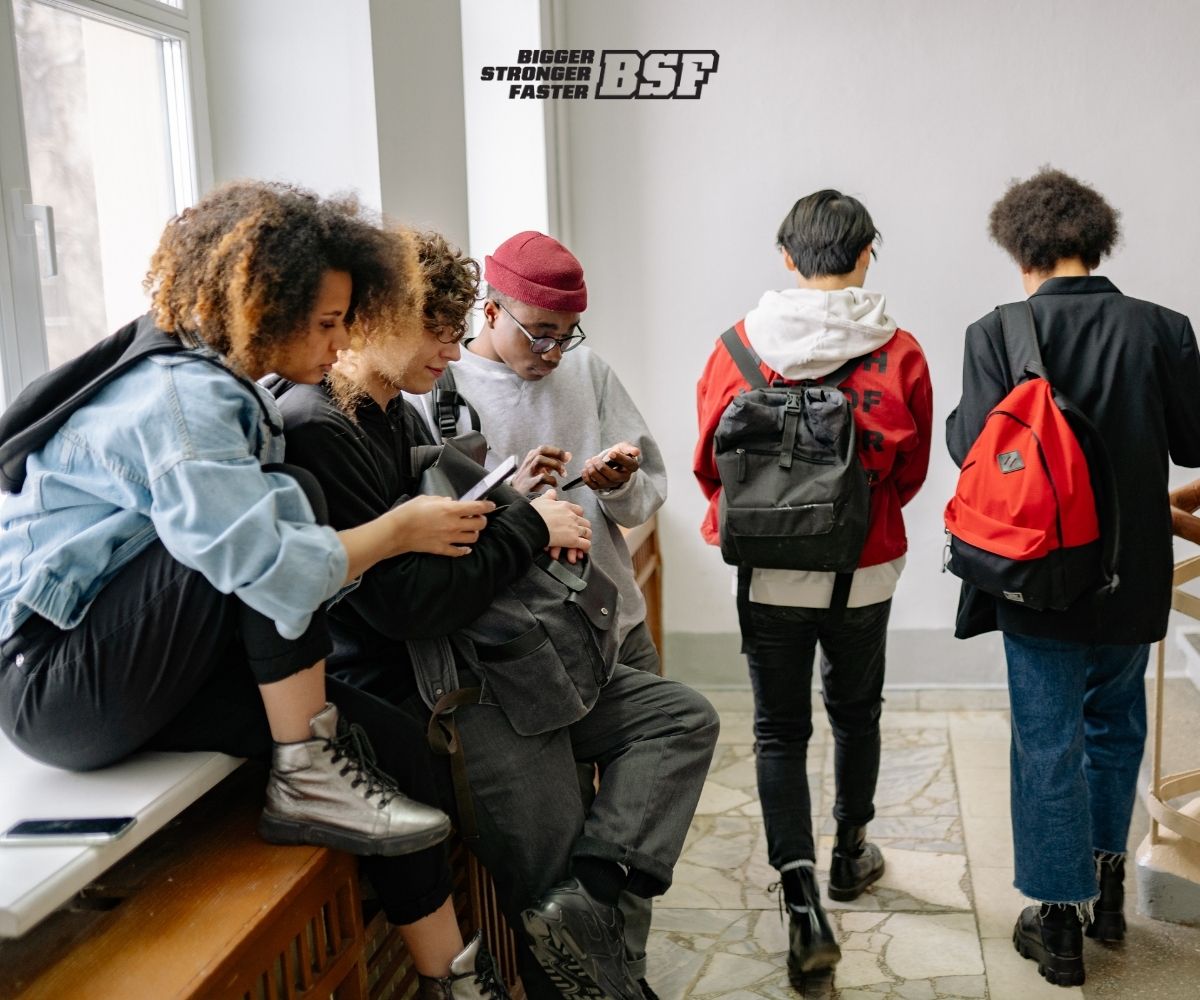
The Internet Has Changed the Way We Talk About Drugs
A few years ago, finding specialized information about cannabis required looking through magazines, books, or specific communities.
Today, all it takes is a search.
Terms such as cannabis seeds Europe, marijuana seeds online Europe, seed bank Europe, autoflowering, feminized, or photoperiod seeds Europe are part of the vocabulary that can easily be found online.
For an adult interested in plant genetics, these terms may have a specific meaning. For a teenager, however, constant exposure to cannabis-related content may contribute to normalizing certain behaviors if there is no context regarding their potential risks.
The issue is receiving increasing attention in European research. ESPAD 2024 specifically highlights the emergence of new risks associated with intensive use of social media, video games, and other digital behaviors.
Potency Does Not Mean Safety
Another aspect that deserves special attention is the conversation surrounding high-THC strains.
Online searches may include terms such as high-THC seeds Europe, California cannabis genetics Europe, or comparisons between different strains.
However, greater potency should not be presented as synonymous with a better experience.
THC is the main psychoactive compound in cannabis, and higher concentrations may increase the intensity of its effects. For adolescents, this issue is particularly relevant because early and frequent use may increase associated risks.
Therefore, discussing potency without discussing risks provides an incomplete picture.
What About Cannabis Seeds?
Here, it is important to distinguish between concepts.
Searches for marijuana seeds Europe, cannabis seeds for collection Europe, autoflowering, feminized, Fast Version, or resilient seeds Europe mainly belong to the world of genetics and horticulture.
A seed does not automatically equal consumption.
Nevertheless, context matters. Adults looking for information about how to choose cannabis seeds, the differences between an autoflowering and a photoperiod variety, or questions such as how long does a cannabis seed take to grow should approach these topics responsibly and always take the legislation of their country into account.
The existence of a seed bank in Europe or a store where people can buy cannabis seeds in Europe does not mean that the same regulations apply in every country.
BSF Seeds and the Importance of Responsible Communication
For a brand such as BSF Seeds, talking about genetics also means talking about responsibility.
Concepts such as autoflowering, feminized, Fast Version, California genetics, or varieties with specific characteristics are part of the sector's everyday language.
But when the conversation involves young people, the approach must change.
It is not about teaching a teenager how to choose among the “best autoflowering seeds Europe 2026” or turning cannabis seeds into an aspirational product.
It is about providing adults with clear information, promoting knowledge, and remembering that minors' access to psychoactive substances is a public health issue.
Responsible communication is also part of building a more conscious industry.
What Can Families, Schools, and Adults Do?
Prevention does not begin when a problem appears.
It starts much earlier.
Talking without dramatizing, listening without judging, and providing evidence-based information can be much more effective than simply saying, “That's wrong.”
It is also important to pay attention to persistent changes in behavior, social withdrawal, significant declines in school performance, sleep disturbances, or sudden changes in social circles. None of these signs alone proves drug use, but they can be reasons to start a conversation and seek professional guidance when necessary.
And there is one simple rule that still works:
ask before assuming.
Less Fear, More Conversation
European figures provide a reason for optimism: cannabis use among adolescents has declined compared with the peaks recorded in previous decades. In 2024, lifetime cannabis use among 15- and 16-year-old students stood at around 13% across participating EU countries, while cannabis use during the previous 30 days was 5.7%.
But prevention cannot become complacent.
Drugs change, the internet changes, and the way young people receive information changes too.
That is why the best tool remains one that needs no battery, algorithm, or password: an informed conversation.
And those of us working in the cannabis sector can also contribute to it.
Because communicating better does not mean speaking louder. It means providing the right information, at the right time, with the responsibility the subject deserves.
Frequently Asked Questions About Young People and Drug Use
What is the most widely used illicit drug among young people in Europe?
Cannabis remains the most widely used illicit drug among European adolescents and young adults. However, ESPAD data show a downward trend in cannabis use among 15- and 16-year-old students over recent decades.
Has cannabis use among European teenagers increased?
There is no general upward trend. The 2024 ESPAD data show that cannabis use among 15- and 16-year-old students has declined compared with previous years, although significant differences remain between countries and risks associated with early initiation and frequent use continue to exist.
Why is THC particularly relevant when talking about young people?
THC is the main psychoactive component of cannabis. THC concentration can influence the intensity of its effects, and therefore discussing only “high-THC” strains without explaining the potential risks provides an incomplete picture.
Are cannabis seeds the same as consuming cannabis?
No. A seed is not equivalent to consuming cannabis. Seeds can be part of activities related to horticulture and plant genetics. However, laws regarding their sale, possession, germination, and cultivation vary across European countries.
What can parents do if they suspect that a teenager is using drugs?
It is generally advisable to avoid immediate accusations and instead seek a calm conversation. Listening, asking what is happening, and turning to healthcare professionals or specialized services when there is concern can help address the situation appropriately.
Where can I find reliable information about drugs and young people in Europe?
The European Union Drugs Agency (EUDA) and the ESPAD project provide updated data and research on substance use and risk behaviors among European adolescents. Consulting scientific sources can help avoid myths and support evidence-based decisions.

One Conversation Can Change Everything
At BSF Seeds, we believe that knowledge also involves responsibility.
If you are an adult and want to learn more about genetics, strains, and the world of seeds, always seek information from responsible sources and check the current legislation in your country.
And if you find this article useful, share it with someone who also believes that talking about drugs with young people should be done with information, empathy, and without taboos.
Because prevention also means education.
Related posts
 The Big Bang of Your Grow — Unlock Your Seeds' Potential with BSF SEEDS
Welcome to the space where the passion for cannabis comes to life. We share knowledge, practical tips and the latest...
Read more
Vegetative Stage in Mediterranean Climates: The Secret to an Explosive Grow
Vegetative Stage in Mediterranean Climates: The Secret to an Explosive Grow
The Mediterranean climate has a special...
Read more
Preflowering in cannabis: the moment when your plant reveals what’s coming next
The preflowering stage, also known as the transition to reproductive growth, is that moment when the cannabis plant...
Read more
The Stage Everyone Awaits: Cannabis Flowering in Europe
When a cannabis plant enters the flowering stage, everything changes. Cultivation stops being a simple routine and...
Read more
Cannabis root flushing: the final touch that defines your harvest
Root flushing is one of the most subtle yet decisive stages in cannabis cultivation. There is no visible growth or...
Read more